The problem of currency discrimination in Vietnamese history
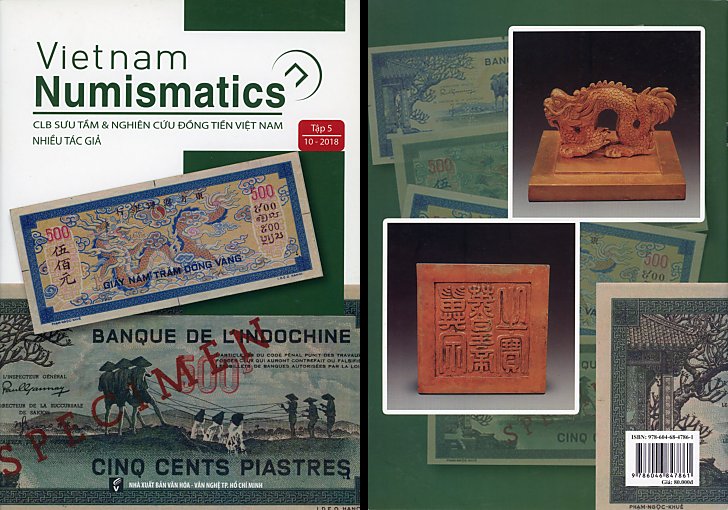
Phương Tú, Vietnam Numismatics #5 (10-2018), p.23-25
People usually prefer to discard the old and replace it with the new, as the proverb says, "Out with the old, in with the new". While ordinary objects become damaged and lose value over time, a coin, even when worn or chipped, remains a coin and retains its monetary value. However, when the coin is old and chipped, its owner does not want to keep it and prefers to spend it on goods, while the seller does not want to accept it. If the increased amount of bad money combines with the problem of currency discrimination, the economy slows down as goods remain unsold. For this reason, throughout history, the court repeatedly issued decrees prohibiting the selective acceptance of money.
Although such prohibitions had been issued long before, they were not mentioned in historical records until the reign of King Lê Thái Tông.
[1] {FOOTNOTE}