Reflections on coins of Imperial Vietnam
Nguyễn Văn Cường, Vietnam Numismatics #4 (07-2018), p.33-35
Vietnam Numismatics:
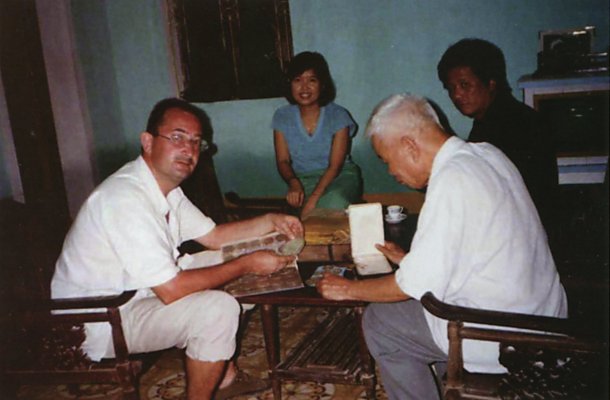
Nguyễn Văn Cường, the antique coin collector, was born in the year Nhâm Tuất [壬戌] (1922). Before 1945, he worked at the editorial office of the Tiếng Dân newspaper under Huỳnh Thúc Kháng. He belonged to a younger generation of pre-war writers and poets such as Xuân Diệu, Huy Cận, Nhất Linh, and others. In 1945, he personally attended the abdication ceremony of Emperor Bảo Đại. Out of nostalgic feelings for the past, he kept imperial coins that were still in circulation at the time as mementos. From then on, he began collecting all kinds of money that had ever circulated in Vietnam. He passed away on March 10, 2018, in the city of Huế. He was the father of the coin researcher and collector Nguyễn Anh Huy. Vietnam Numismatics is honored to present his article, written in Thuận Hóa in the winter of 1983. This article begins the long-running series "The Colors of Time on Ancient Vietnamese Coins".
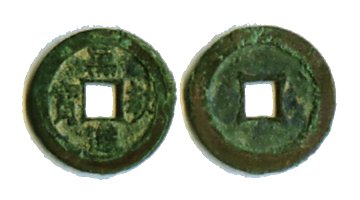
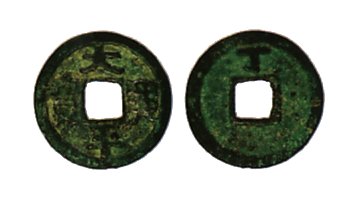
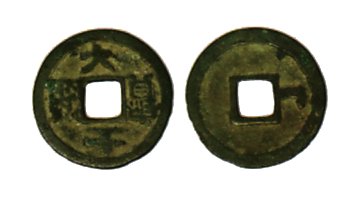
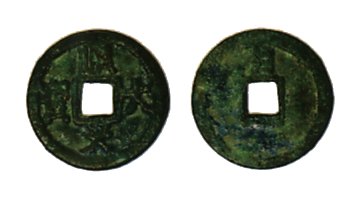
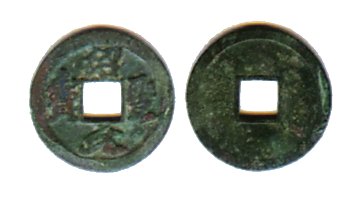
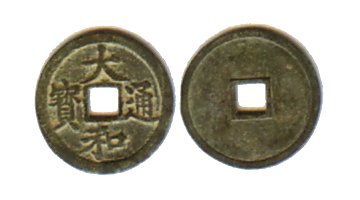
The collection of copper coins circulated in Vietnam during the imperial times from the reign of King Đinh Tiên Hoàng, throughout more than a thousand years of history, is a trace of the country and its people. Every coin captures a chapter of history, a cultural tradition, and the spirit of a nation. As the country passes through turning points of struggle, through the rise and fall of the dynasties, the coins clearly show their distinctive characteristics.
Taken together, these coins form a long thread of history, filled with the spirit of the nation, beautiful and precious in both form and spirit.
- Looking at the collection of coins, our spirits drift back to a distant, glorious past, amid the fragrant incense at the grand court, during the Khai Nguyên era, a time of good government and peace - a golden age of Tang poetry and Song Confucian philosophy, echoed by the gentle cadence of the Rainbow Feather Dance in the Moon Palace, with music playing and drums beating, the dragon palace and purple towers, ceremonial umbrellas and official robes, and the golden throne gleaming with jade!
- Looking at the collection of coins, our minds wander back through memory to the days of Hoa Lư, beneath the reed flags raised to found the nation - the Vạn Thắng flag glowing in the Thái Bình sunshine, marking the beginning of Đại Việt's monetary era, leading to an age of Lý and Trần literature, strong national defense, and dignified court ceremonies - with gongs sounding and command drums beating, military helmets and belts, elephant troops and cavalry, marching from Đông Bộ Đầu to celebrate the Nguyên Phong victories.
The entire collection of coins - golden pages of history, telling of the struggle to build the nation, still carrying the spirit of our ancestors, stained with the blood and tears of those who came before us. All shimmer and glow with the light of jade: the resounding drums of Mê Linh, the tears of Huyền Trân on her journey to the land of Champa, the glowing lanterns of those who gathered for a common cause, the shade of the ever-blooming longevity flowers, and the misty mountain forests of Lam Sơn on New Year's Eve.
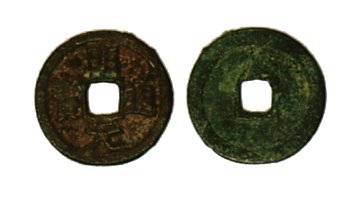
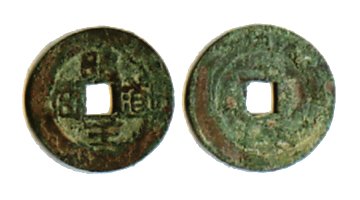
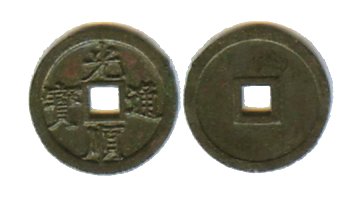
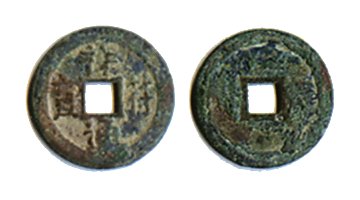
- Looking at the collection of coins, each character is a mysterious image, shaped by the graceful strokes of talented scholars. The strokes may be serious and carefully composed, or soft and flowing, like those of Trình Di (), Chu Hy(), and Lý Bạch() - masterful brushwork in three styles of calligraphy, each carrying the spirit of a religious tradition and a way of life.
Regular script: a style of regular script that is clear and strong, yet also dignified and stately, like an enlightened ruler at a grand court ceremony preparing to read Bình Ngô đại cáo ().
Cursive script: a free-flowing, natural script, favored by talented and artistic rulers. Graceful strokes like the girl of Trừ La () reflected in the water, her silk sleeves fluttering and scattering pearls!
Seal script: a script whose form is both square and ethereal, mysterious and solemn. The seal strokes are commanding and powerful, like the seal of a formidable commander on the decree of the Sông Hát. ()
Every stroke reflects the distinct personality of Song dynasty calligraphic masters, rendered with elegant precision through the refined casting methods of that era.