Northern personnel reinforcing the Special Printing Board in Nam Bộ
Huỳnh Hoài Hãn, Vietnam Numismatics #2 (01-2018), p.32-37
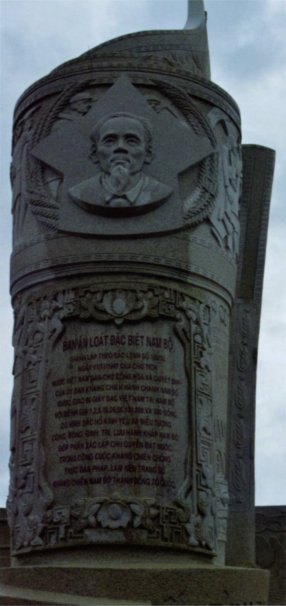
in Hàm Rồng Commune, Năm Căn District, Cà Mau Province.
After 6 years of operation, the Special Printing Board of Nam Bộ successfully completed its mission in November 1954. The inscription carved on the monument of the Special Printing Board of Nam Bộ in Cà Mau records its achievements as follows: "...contributing to the establishment of national sovereignty during the resistance against the French colonialists, writing a chapter in the history of the Southern resistance as the Iron Citadel of the Fatherland". In recognition of these achievements, the President of the Democratic Republic of Vietnam awarded the First-Class Resistance Order to the Special Printing Office of Southern Vietnam (Decree No. 220-B.SL, from December 18, 1954).
Contributing to these achievements, alongside local residents of the Southern region, were also a number of cadres sent from the North to the South.
According to the memoirs of Mr. Hồ Văn Thế - member of the Special Printing Board of Nam Bộ, head of Subsection B, and former delegate of the Ministry of Finance (1952) - in November 1948, the first Military-Civil-Administrative delegation from Southern Vietnam arrived in Việt Bắc, led by comrade Trần Văn Trà. Among the requests for support to Southern Vietnam, the delegation asked the Central Government to provide assistance in the printing and distribution of banknotes in the South.
In December 1948, a part of the Southern Vietnam delegation led by Mr. Trần Bửu Kiếm arrived at the Special Printing Office of the Ministry of Finance located in Bản Thi (Bắc Kạn) to discuss the detailed plan for carrying out support to Southern Vietnam.
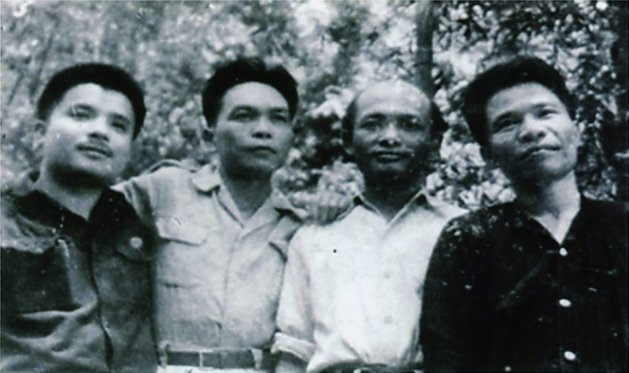
at Bảo Biên, Định Hóa, Thái Nguyên, in 1947.
(Mr. Lê Văn Hiến - Minister of Finance from March 1946 to October 1958)
According to the Government's order, the Ministry of Finance had to urgently prepare technical materials, confidential documents, and technical staff.
The team included experts in banknote printing and specialists skilled in producing security paper with a five-pointed star watermark. The delegation set out to provide support for Southern Vietnam, consisting of:
1. Mr. Hồ Văn Thế - officer in charge of printing banknote serial numbers at the Khánh Thi Printing Unit, appointed by the Ministry of Finance as head of the delegation.
2. Mr. Nguyễn Đình Thư - technical officer at the Hoàng Văn Thụ Paper Factory, serving as deputy head of the delegation.
3. Mr. Nguyễn Thực - printing officer and member of the delegation.
4. Mr. Tống Lới - printing officer and member of the delegation.
5. Mr. Hoàng Phượng - technical officer at the Hoàng Văn Thụ Paper Mill, serving as a member of the delegation.
6. Mr. Nguyễn Văn Tân - technical officer at the Hoàng Văn Thụ Paper Mill, serving as a member of the delegation.
Mr. Nguyễn Thực and Mr. Tống Lới, who were working at the Special Printing Department of Region IV, were not required to gather in Việt Bắc. Instead, they were allowed to stay in place and would join the delegation when it passed through Region IV on its way to the South.
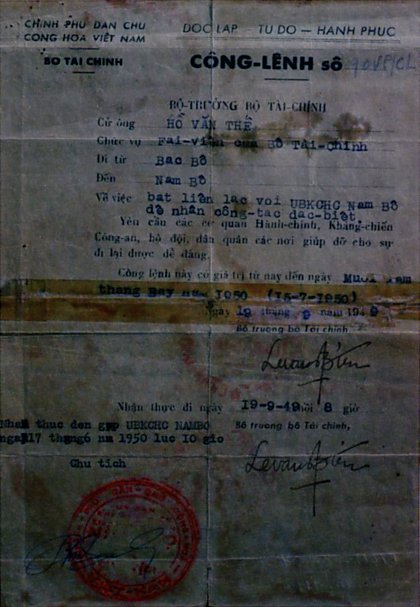
On September 19, 1949, the delegation officially set off for the South.
In mid-May 1950, the delegation arrived at Đồng Tháp Mười and met with Military Region 8 to receive assistance in continuing to the western provinces. The delegation was taken to Thiên Hộ, to the Special Printing unit located in the paperbark forest, where they met Mr. Thân Trọng Song, who was in charge of the Special Printing section based in Đồng Tháp (Subsection A). Most of the large printing presses, cutting machines, and other technical equipment were moved to the new base area in the U Minh forest - Bạc Liêu.
Here, the delegation was also received by Mr. Ngô Tấn Nhơn, Minister of Agriculture and head of the Special Printing Board of Nam Bộ, and discussed the work of printing banknotes in the South.
On June 17, 1950, the delegation arrived in Cà Mau and was received by Mr. Phạm Văn Bạch - Chairman of the Southern Vietnam Resistance and Administrative Committee, for discussions and work. The zinc plates for the Central Government's 100-dong banknotes, which the delegation had laboriously carried in to support banknote printing in the South, could not be used because they were damaged during the long journey.
At that time, the red 100 đồng Treasury notes were widely counterfeited by the French and circulated to disrupt the economy in the liberated areas. There were many types of counterfeit banknotes. Mr. Nguyễn Thành Vĩnh, in charge of finance in Southern Vietnam, collected up to eight suspected types of counterfeits, but no one could confirm they were fake, because even genuine banknotes had many differences among themselves. As the delegation came from the banknote printing facility, the Southern Vietnam Resistance and Administrative Committee assigned them the task of investigating and verifying these suspected forgeries. Mr. Hồ Văn Thế wrote in his memoirs: "Just looking at the printed letters and numbers was enough to prove they were fake; our letters and numbers were cast by a linotype machine in 12-point type, whereas these banknotes mostly used separate 11-point type; furthermore, the serial numbers in the four corners did not match our security codes; it was clear that all eight variants collected by Mr. Nguyễn Thành Vĩnh were fakes".
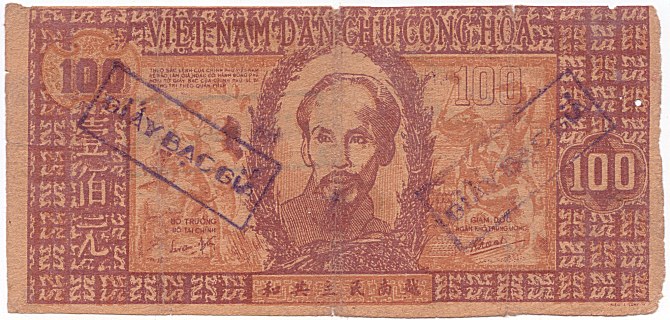
Following Mr. Hồ Văn Thế's findings, the Southern Vietnam Resistance and Administrative Committee proposed that the Central Government allow Southern Vietnam to continue printing and issuing its own banknotes, in order to prevent the growing harmful effects of counterfeit banknotes infiltrating the liberated areas. This reasonable proposal was accepted by the Central Government.
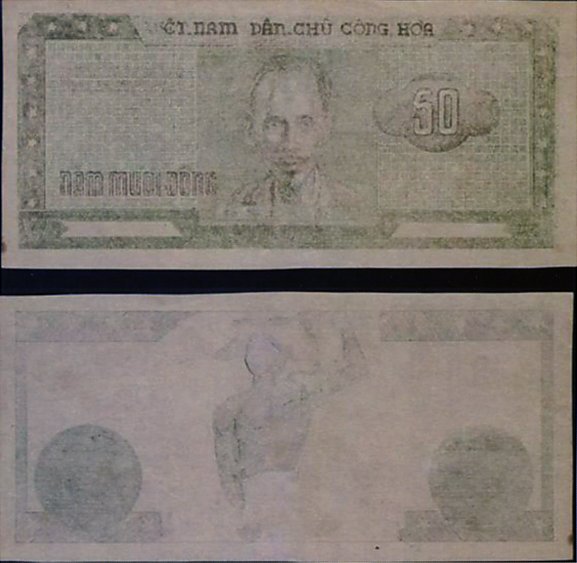
When the delegation arrived in Cà Mau, Subsection B, led by artist Huỳnh Văn Gấm, had already stabilized its organization and was printing the 50 đồng banknotes (Type 1). In a first step toward standardizing coded serial numbering across all denominations, the Printing Board assigned Mr. Nguyễn Thực, Mr. Tống Lới, and Mr. Năm Lưu to establish a workshop for printing banknote serial numbers.
Mr. Nguyễn Đình Thư, Hoàng Phượng, and Nguyễn Văn Tần were assigned to Tân Bằng - Cán Gáo, Thới Bình, to set up a workshop for manufacturing security paper with a five-pointed star watermark for the main printing facility. The workshop was named Hòa Bình, with Mr. Nguyễn Đình Thư serving as its manager. Mr. Hồ Văn Thế was appointed Deputy Head of Subsection B.
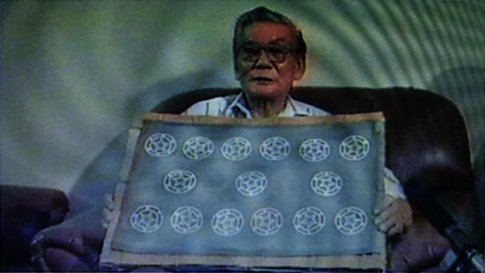
Due to new work requirements, at the beginning of 1952, artist Lê Văn Gấm was reassigned to other duties. Mr. Hồ Văn Thế was appointed by the Southern Vietnam Resistance and Administrative Committee as a member of the Special Printing Board, concurrently serving as Head of Subsection B.
By mid-1952, the enemy intensified its operations, with aircraft regularly conducting reconnaissance and bombing raids deep into the base areas. The Southern leadership advocated for further decentralization of facilities; the Printing Office decided to split Subsection B to establish Subsection D, located in the Tân Đức and Đầm Dơi areas, and appointed Mr. Nguyễn Thực as Head of Subsection D.
On October 30, 1953 (the 23rd day of the 9th lunar month, year Quý Tỵ), Mr. Nguyễn Thực was killed in action in Cái Nước District, leaving deep sorrow among his comrades.
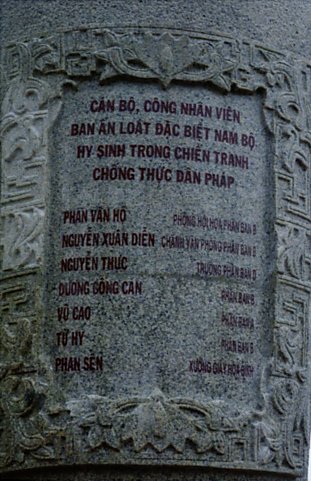
in Hàm Rồng Commune, Năm Căn District, Cà Mau Province
In mid-1953, the People's Bank of Southern Vietnam was established, with Mr. Trần Học Hải as Director and Mr. Trần Dương as Deputy Director. To ensure sufficient staffing for operations, Mr. Hồ Văn Thế was reassigned as Head of the Issuance Department.
When the Geneva Accords were signed on July 20, 1954, the Special Printing Office ended its operations in November 1954, completing its historical mission.
The profound contributions of the personnel and laborers at the Southern Special Printing Board remain a brilliant milestone in the annals of Vietnam's revolutionary financial history. This legacy includes the vital contributions of those dispatched by the central government from the North to the South, whose selfless dedication ensured the mission's success, even at the cost of those who fell heroically on the Southern front, the Iron Citadel of our nation.
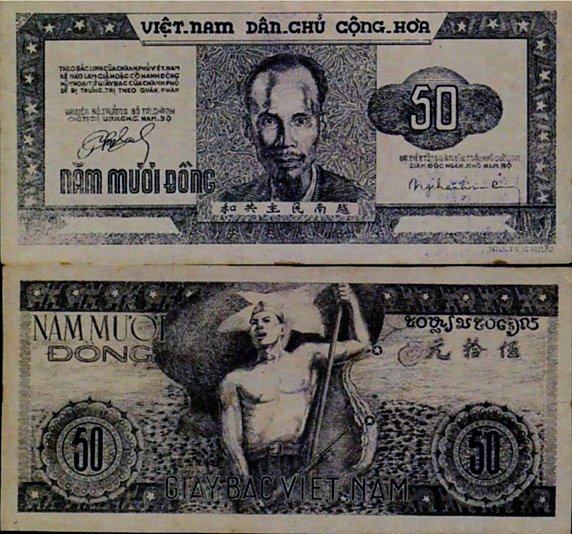
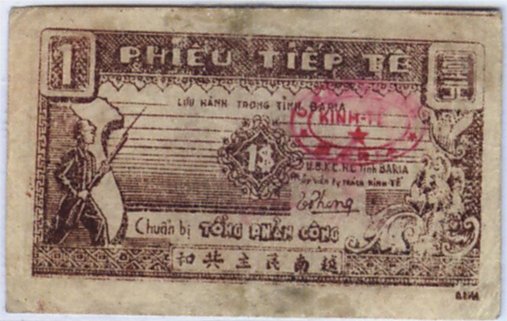
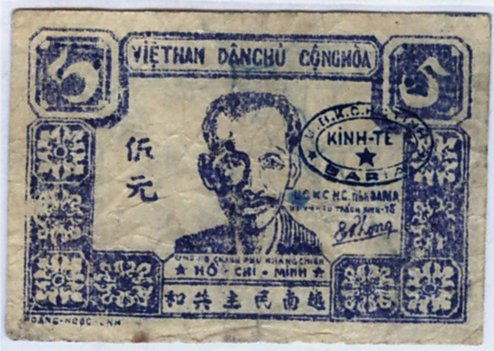
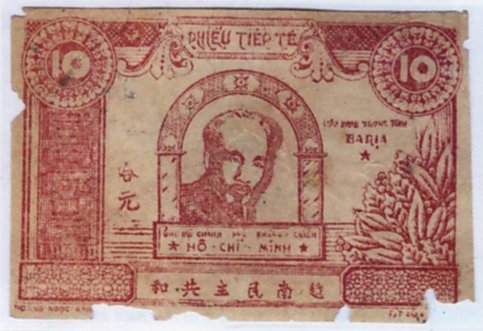
with signatures of Mr. Phạm Văn Bạch and Mr. Nguyễn Thành Vĩnh(*)
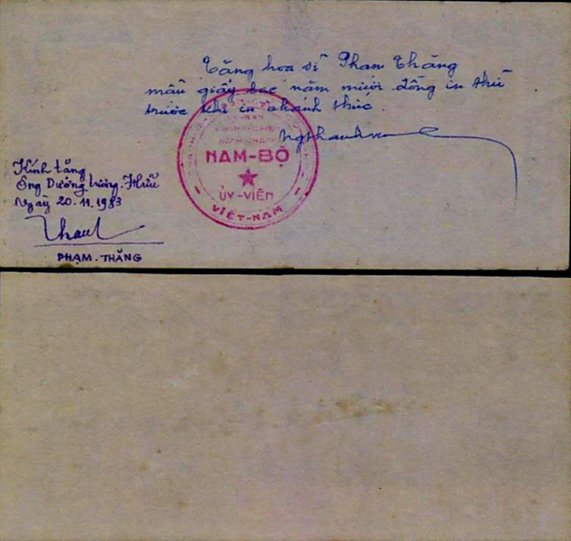
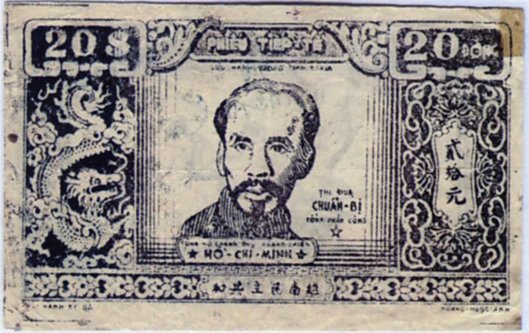
(*) Item from the collection of Mai Ngọc Hải.