Paper money of Tibet
Châu Ngọc Đức, Vietnam Numismatics #1 (10-2017), p.44-47
After the Chinese Revolution of 1911, the government of the Republic of China granted independence to Tibet after more than 100 years under the Qing dynasty. The leader of Tibet, the 13th Dalai Lama, declared Tibet independent and refused to accept any titles from China.
Paper money of Tibet was first issued at the end of 1912, and later in 1941-1942 by the Lhasa Bank. The currency unit was called Tam, the notes were hand-printed from woodblocks on coarse handmade paper, the first issued denominations included 5, 10, 15, 25, and 50 Tam. The 50 Tam denomination had two different types: a hand-printed version from 1913, and a multicolored, machine-printed version from 1926 on better-quality paper.
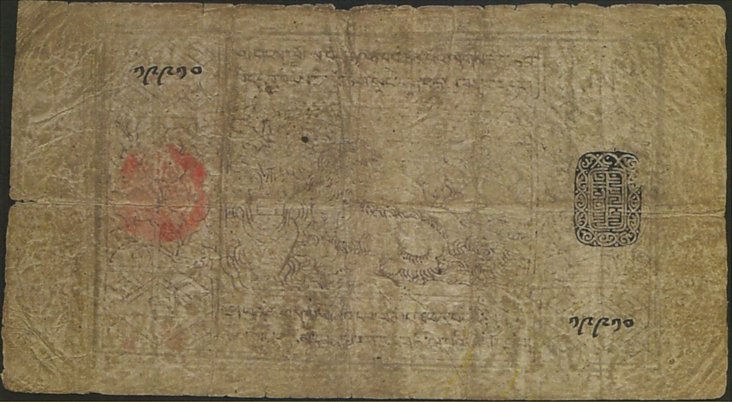
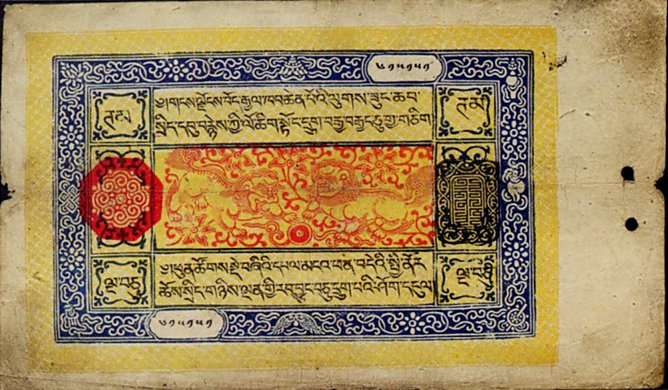
Higher denominations of 5, 10, 25, and 100 Srang later were also machine-printed, but all Tibetan notes had their serial numbers handwritten by professionally trained calligraphy staff. In 1941, the Srang unit was introduced at an exchange rate of 100 Tam per 1 Srang, with both units circulating concurrently.
Due to their unique artistic designs, Tibetan banknotes are considered part of Tibet's cultural heritage.
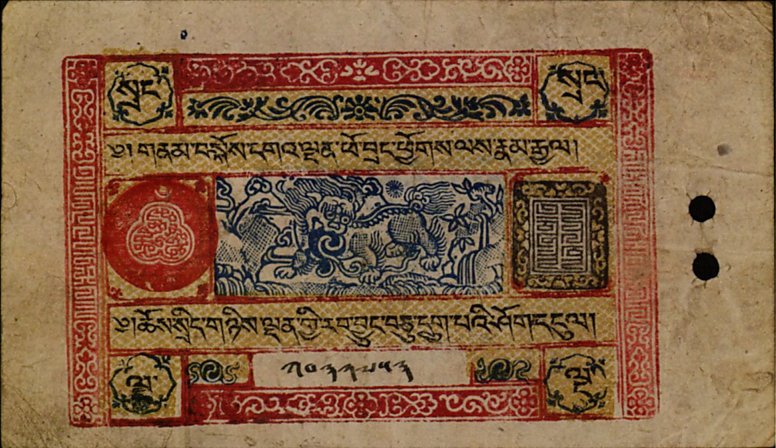
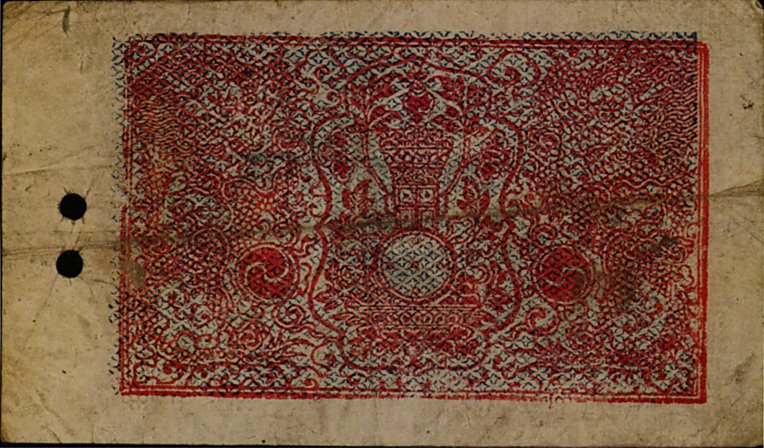
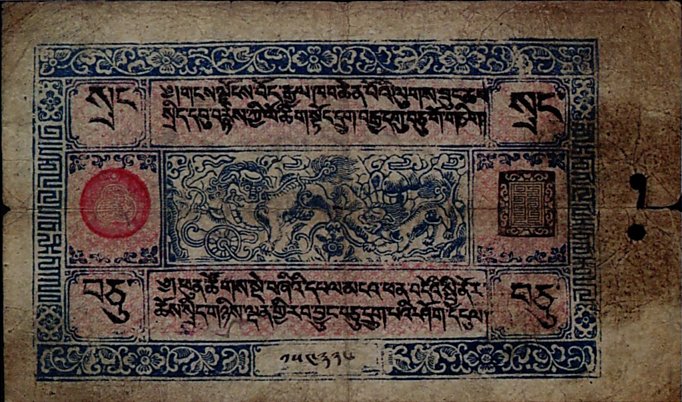
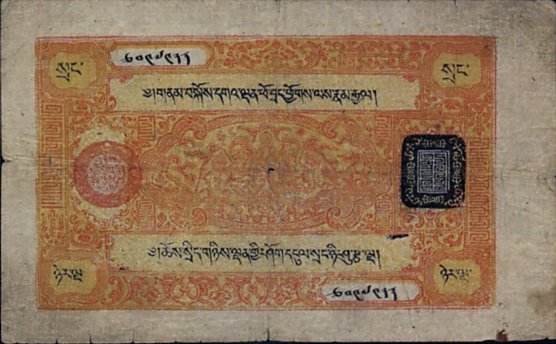
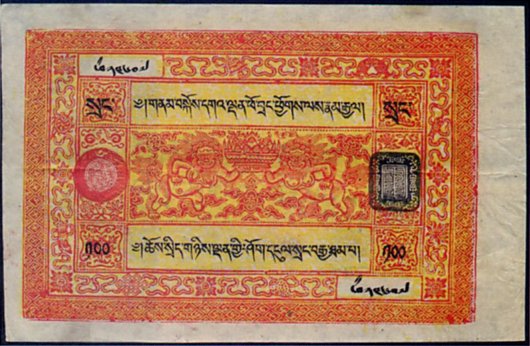
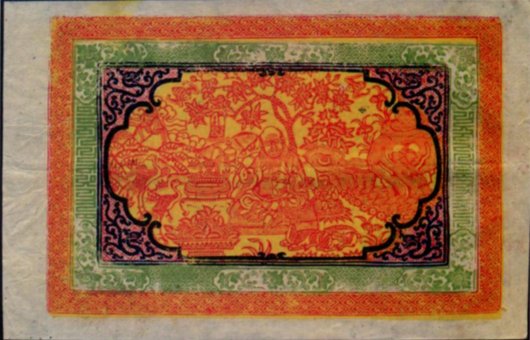
Tibetan banknotes remained in circulation for 38 years. In 1950, after defeating the Republic of China, Chinese Communist forces moved to annex Tibet, eventually forcing the 14th Dalai Lama and his regents into exile in India.